
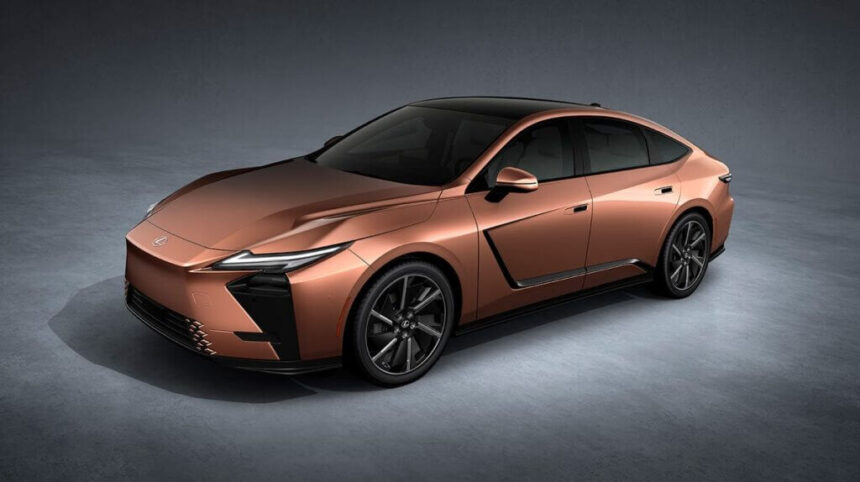
The automotive world is currently standing at the edge of a massive transformation. For years, the primary barrier to widespread electric vehicle adoption was the high entry price. While early adopters were happy to pay premium rates for high performance machines, the average driver has been waiting for the magic number: the affordable electric car. As we look toward the 2026 model year, that dream is finally becoming a reality. Manufacturers are moving away from six figure luxury SUVs and focusing their engineering prowess on compact, efficient, and accessible vehicles.
- The Economic Shift: Why 2026 is the Year of the Affordable EV
- The Tesla Model 2: Decoding Project Redwood
- Chevrolet Bolt EV: The Return of an American Icon
- Rivian R3: Adventure Goes Mainstream
- Volkswagen ID.2all: Precision Engineering for the Masses
- Kia EV3 and EV4: The Bold New Challengers
- Ford’s Skunkworks Project: A Radical Pivot
- Technical Innovations Driving Costs Down in 2026
- Infrastructure: The Final Piece of the Puzzle
- Total Cost of Ownership: The Real Savings
- What to Look for When Buying a 2026 EV
- The Global Market: China’s Influence
- Conclusion: The New Normal
This guide provides a comprehensive look at the most anticipated affordable EV models set to hit the streets in 2026. We will examine the technical specifications, the innovative manufacturing processes driving down costs, and what these changes mean for your daily commute.
The Economic Shift: Why 2026 is the Year of the Affordable EV
To understand why 2026 is such a pivotal year, we must look at the underlying economics of the automotive industry. Several factors are converging to make low cost electric mobility possible. First and foremost is the plummeting cost of battery production. Recent reports indicate that battery pack prices are expected to drop below $100 per kilowatt hour by early 2026. This is widely considered the “price parity” point where electric vehicles can be manufactured as cheaply as their gasoline counterparts.
Additionally, the industry is seeing a massive shift toward Lithium Iron Phosphate (LFP) battery chemistry. Unlike traditional nickel cobalt batteries, LFP units are cheaper to produce, more durable, and do not rely on rare or expensive minerals. This shift is the secret sauce behind the upcoming wave of budget friendly models.
The Tesla Model 2: Decoding Project Redwood
No discussion about the future of affordable electric cars is complete without mentioning Tesla. For years, Elon Musk has hinted at a vehicle priced around $25,000, often referred to by enthusiasts as the Model 2. Internally known as “Project Redwood,” this vehicle is expected to enter production in late 2025 and reach volume delivery in 2026.
Revolutionizing Production with the Unboxed Process
The core of the Model 2’s affordability lies in Tesla’s “Unboxed” manufacturing process. Traditional car manufacturing involves moving a complete vehicle body down a long assembly line. Tesla plans to assemble sub-sections of the car simultaneously and then snap them together at the final stage. This method reduces the factory footprint by 40 percent and slashes production costs by half.
Expected Specifications and Design
The Model 2 is expected to be a compact crossover or hatchback, heavily influenced by the minimalist design language of the Model 3 and Model Y.
- Estimated Range: 250 to 300 miles.
- Charging: Full compatibility with the NACS (North American Charging Standard) network.
- Interior: A clean, screen-centric cabin utilizing recycled materials to keep costs low.
By leveraging its massive Supercharger network and superior software, Tesla aims to make the Model 2 the best selling vehicle in its class. For more information on the latest Tesla leaks, you can visit Electrek.
Chevrolet Bolt EV: The Return of an American Icon
The original Chevrolet Bolt EV was a pioneer, providing long range electric driving at a price point that beat almost everyone else to the punch. While General Motors temporarily paused production to transition to its new Ultium platform, the Bolt is officially returning for the 2026 model year.
The Ultium Advantage
The 2026 Bolt EV will be built on a refined version of the Ultium architecture. This allows Chevrolet to utilize standardized battery modules and motors across its entire lineup, drastically reducing engineering overhead. Mary Barra, CEO of GM, has confirmed that the new Bolt will be the most affordable vehicle in their portfolio.
Key Features and Improvements
Owners of the previous generation Bolt will be pleased to see several major upgrades:
- Faster Charging: The new model is expected to support DC fast charging speeds exceeding 150 kW, resolving the previous model’s biggest pain point.
- Updated Technology: Expect the inclusion of the latest Super Cruise hands free driving technology on higher trims.
- Versatile Design: The 2026 version will likely retain its “compact crossover” silhouette, offering excellent cargo space for its size.
With a starting price rumored to be under $30,000 before any government incentives, the Bolt EV is poised to reclaim its title as the budget king of the American market.
Rivian R3: Adventure Goes Mainstream
Rivian has built a reputation for high end, luxury electric trucks and SUVs. However, their announcement of the R2 and R3 models signaled a clear intent to dominate the mass market. While the R2 is a mid size SUV, the R3 is the one that has captured the public’s imagination.
The Retro-Modern Hatchback
The Rivian R3 is a compact crossover that looks like a rally car from the future. Its short wheelbase and rugged stance make it perfect for urban environments and weekend escapes alike.
- The R3X Variant: For those who want more performance, Rivian is planning a tri motor R3X version that will offer incredible off road capability in a small package.
- Innovative Storage: The R3 features a “flipper glass” rear hatch, allowing you to open just the window for quick access to the cargo area.
Pricing and Availability
The R3 is expected to start around $35,000. While slightly higher than some other budget models, the premium branding and adventure oriented features justify the cost for many buyers. Rivian’s move to the NACS charging standard means R3 owners will have seamless access to Tesla’s Supercharger network from day one. Follow the latest updates at Rivian’s official newsroom.
Volkswagen ID.2all: Precision Engineering for the Masses
In Europe and beyond, Volkswagen is doubling down on the ID.2all concept. This vehicle is designed to provide the space of a Golf with the price of a Polo. For the 2026 model year, the production version of this concept will be a cornerstone of VW’s global strategy.
A Focus on Interior Ergonomics
One of the biggest criticisms of earlier ID models was the touch sensitive interior controls. Volkswagen has listened to feedback. The ID.2all production version is expected to feature physical buttons for common functions and a highly intuitive infotainment system.
- Storage Innovations: The vehicle includes a massive under floor storage compartment in the trunk, making it surprisingly practical for a compact car.
- Performance: With a front wheel drive setup and approximately 220 horsepower, it will be nimble and fun for city driving.
The targeted starting price in Europe is under 25,000 Euros, with similar competitive pricing expected for other global markets.
Kia EV3 and EV4: The Bold New Challengers
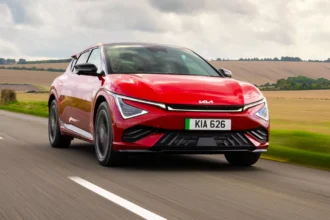
Kia has been on a winning streak with the EV6 and EV9. In 2026, they are bringing that same design DNA to the entry level segments with the EV3 (a compact SUV) and the EV4 (a stylish sedan).
Design and Technology
Both the EV3 and EV4 utilize the E-GMP platform, which is known for its efficient packaging and advanced electrical architecture.
- EV3 Highlights: This model offers a boxy, rugged aesthetic similar to the EV9 but at a fraction of the size. It is designed for young families and urban dwellers.
- EV4 Highlights: The EV4 breaks the traditional sedan mold with a fastback silhouette and an interior that emphasizes “wellness” through calming materials and lighting.
Kia’s goal is to offer these vehicles in the $30,000 to $40,000 range, making high end design accessible to a much broader audience. You can track Kia’s progress on their official site.
Ford’s Skunkworks Project: A Radical Pivot
Ford has recently made headlines by creating a dedicated “skunkworks” team focused exclusively on developing a low cost electric vehicle platform. This team, comprised of some of the brightest minds from the tech and auto industries, is working on a platform that will underpin a small pickup and a compact SUV for 2026.
Efficiency as a Core Value
The goal of this project is to create a vehicle that is not just cheap to buy, but incredibly efficient to operate. By using smaller, more efficient battery packs and highly aerodynamic designs, Ford aims to provide a competitive range without the weight and cost of massive batteries.
The “Model T” Moment
CEO Jim Farley has compared this project to the original Model T. The focus is on simplicity, durability, and mass market appeal. Whether it is a small electric Maverick or a completely new nameplate, Ford’s 2026 offerings will be a major disruptor.
Technical Innovations Driving Costs Down in 2026
To understand the value of these 2026 models, we must look at the technology inside them. It isn’t just about making things smaller; it is about making them smarter.
The Rise of LFP Batteries
As mentioned earlier, Lithium Iron Phosphate (LFP) is the hero of the affordable EV story. LFP batteries are:
- Safer: They have a much lower risk of thermal runaway.
- Longer Lasting: They can be charged to 100 percent daily without significant degradation.
- Ethical: They do not require cobalt, a mineral with significant supply chain concerns.
Gigacasting and Structural Packs
Manufacturers like Tesla, Volvo, and Ford are increasingly using “gigacasting.” This involves casting large sections of the car’s chassis as a single piece of aluminum. This eliminates hundreds of individual parts, reduces weight, and improves structural rigidity. When combined with “cell to pack” technology (where battery cells are integrated directly into the car’s frame), the savings are passed directly to the consumer.
Software-Defined Vehicles
By 2026, most affordable EVs will be “software defined.” This means that the car’s features can be updated and improved over time through over the air (OTA) updates. This reduces the need for frequent hardware refreshes and allows manufacturers to offer features as a service, helping to keep the initial purchase price lower.
Infrastructure: The Final Piece of the Puzzle
An affordable car is only useful if it is easy to fuel. By 2026, the charging landscape in North America and Europe will look vastly different than it does today.
The NACS Consolidation
Nearly every major automaker has now committed to adopting Tesla’s North American Charging Standard (NACS). By 2026, the 2026 models from Ford, GM, Rivian, and others will come with NACS ports built in. This gives drivers access to the most reliable charging network in the world without needing bulky adapters.
Smart Home Charging
Advancements in home charging technology will also play a role. New “bi-directional” chargers will allow your 2026 EV to act as a backup battery for your home during power outages. This added utility increases the “value” of the vehicle beyond just transportation.
Total Cost of Ownership: The Real Savings
When evaluating these affordable 2026 models, it is essential to look beyond the MSRP (Manufacturer’s Suggested Retail Price). The true benefit of an electric vehicle lies in the Total Cost of Ownership (TCO).
Maintenance and Repairs
Electric vehicles have significantly fewer moving parts than internal combustion engines. There are no oil changes, spark plugs, or timing belts to replace. Regenerative braking also means that brake pads last much longer. For a budget conscious buyer, these savings add up to thousands of dollars over the life of the vehicle.
Fueling Costs
Even with fluctuating electricity prices, fueling an EV remains significantly cheaper than buying gasoline. Many utility companies offer special “time of use” rates that allow EV owners to charge their cars overnight for just a few dollars.
Insurance and Financing
As EVs become more mainstream, insurance companies are gaining more data on repair costs, which is helping to stabilize premiums. Additionally, many financial institutions are offering “green loans” with lower interest rates for electric vehicle purchases, making the monthly payment even more manageable.
What to Look for When Buying a 2026 EV
If you are planning to purchase one of these models, keep the following considerations in mind:
- Real-World Range: While a car might be advertised with 250 miles of range, consider how much you drive in cold weather or at high speeds, as these factors can reduce efficiency.
- Charging Speed: Look for a vehicle that can add at least 100 miles of range in 20 minutes or less.
- Incentives: Check for local, state, and federal tax credits. By 2026, many of these incentives will be applied directly at the point of sale, acting as an immediate discount.
- Software Support: Choose a brand that has a proven track record of providing meaningful over the air updates.
The Global Market: China’s Influence
It is impossible to ignore the impact of Chinese manufacturers like BYD and Xiaomi. While trade policies vary by region, the sheer volume and low cost of Chinese EVs are forcing Western automakers to innovate faster. This global competition is the primary reason we are seeing such a rapid decline in prices and an increase in technology for 2026 models.
Conclusion: The New Normal
The arrival of affordable EV models in 2026 marks the end of the “early adopter” phase of electric mobility. We are entering an era where choosing an electric car is not a political or environmental statement, but a smart financial decision. Whether you choose the minimalist tech of a Tesla, the rugged charm of a Rivian, or the practical reliability of a Chevy, the options have never been better.
The wait for the $25,000 to $30,000 electric car is almost over. As the infrastructure matures and battery technology stabilizes, the 2026 model year will be remembered as the moment the electric revolution finally reached everyone’s driveway.
Source Links and Further Reading:
- BloombergNEF Battery Price Survey
- InsideEVs: 2026 Model Predictions
- Car and Driver: Future Cars for 2026
- The Verge: Tech in the Modern EV