
The shift toward sustainable transportation has accelerated at an unprecedented rate, and as we move through 2026, the economics of driving an electric vehicle have matured significantly. For the modern driver, the primary question is no longer whether an electric car is viable, but rather how to optimize the ongoing costs of powering it. In this comprehensive analysis, we explore the intricate financial landscape of home charging versus public infrastructure, examining everything from utility rate shifts to the latest in ultra-fast charging technology.
- The Financial Blueprint of Home Charging in 2026
- Public Charging Dynamics: Fast-Paced and Premium-Priced
- Side-by-Side Analysis: Home vs. Public in 2026
- Regional Variations: Where You Live Matters
- The Influence of Market Fluctuations in 2026
- Strategies to Minimize Your 2026 Charging Expenses
- Future Outlook: Beyond 2026
- Final Verdict
The Financial Blueprint of Home Charging in 2026
For the vast majority of electric vehicle owners, the home remains the primary “fueling station.” The convenience of waking up to a full battery is a cornerstone of the ownership experience, but the financial implications involve more than just a monthly power bill.
Initial Investment: Hardware and Installation
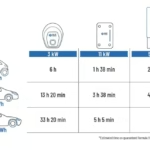
The journey begins with the hardware. In 2026, the market for home charging piles has expanded to include sophisticated units that are more aesthetically pleasing and technically capable than their predecessors. A high-quality Level 2 charging station typically costs between 500 and 900 USD. However, the installation process is where the costs can fluctuate.
Standard installations by a licensed electrician often range from 800 to 1,500 USD, assuming your home’s electrical panel can handle the load. If your residence requires a service upgrade to 200 amps or more, you could see those costs rise toward 3,000 USD. Despite these upfront capital expenditures, the long-term ROI remains strong because home electricity is consistently the most affordable energy source available to drivers.
Operational Costs: Decoding Your Utility Bill
As of late 2025 and into 2026, residential electricity rates have seen a moderate increase due to rising wholesale prices and grid modernization efforts. The national average in the United States currently sits around 0.18 USD per kilowatt-hour. This means that fully charging a 72 kWh battery at home costs approximately 12.96 USD.
When compared to traditional internal combustion engines, the savings are stark. While a gasoline vehicle might cost 0.12 to 0.15 USD per mile to operate, an electric vehicle charged at home often costs as little as 0.04 to 0.06 USD per mile. These figures are not static and depend heavily on your local provider and the time of day you choose to plug in.
Smart Charging and Off-Peak Savings
One of the most significant trends in 2026 is the widespread adoption of AI-driven energy management systems. Many utility companies now offer specialized “EV Rates” or Time-of-Use (TOU) plans. By using a smart charger that communicates with the grid, drivers can automatically schedule their charging sessions for the middle of the night when demand is lowest.
In some regions, off-peak rates can drop to as low as 0.08 USD per kWh. At this price point, a full charge for a long-range sedan costs less than a single gourmet meal. Smart systems also help prevent grid overload, ensuring that your home’s high-power appliances do not clash with your vehicle’s energy needs.
The Impact of Solar Integration and V2H (Vehicle-to-Home)
The year 2026 marks a turning point for bidirectional charging. Technologies like Vehicle-to-Home (V2H) allow your car to act as a giant backup battery for your house. For homeowners with solar panels, the cost of charging can theoretically drop to zero. By capturing excess solar energy during the day and storing it in the vehicle’s battery, you can power your home during expensive peak hours or during a grid outage. The synergy between residential solar, home storage, and electric mobility is creating a new era of energy independence for savvy consumers.
Public Charging Dynamics: Fast-Paced and Premium-Priced
While home charging is the anchor of the EV experience, public infrastructure is the bridge to long-distance travel and urban flexibility. However, convenience comes at a premium.
Level 2 Public Stations: The Destination Solution
Level 2 public chargers are commonly found at shopping malls, hotels, and workplaces. In 2026, these stations serve as “destination” chargers, meant for sessions lasting several hours. The average cost at these stations is approximately 0.25 to 0.30 USD per kWh. While more expensive than home charging, it is still significantly cheaper than high-speed alternatives. Many employers have begun offering Level 2 charging as a tax-free benefit to employees, which can drastically reduce the total cost of ownership for those who cannot charge at their residence.
DC Fast Charging (DCFC): The Price of Speed
For road trips, DC Fast Charging is essential. In 2026, ultra-fast 350 kW chargers are becoming the standard at major highway hubs, capable of adding 200 miles of range in less than 20 minutes. This speed requires massive electrical infrastructure, which is reflected in the price. The average cost for DCFC currently hovers around 0.45 to 0.50 USD per kWh.
A full session for a large SUV might cost between 30 and 45 USD. While this is approaching the cost of a tank of gasoline for a hybrid vehicle, the time saved is the primary value proposition. High-utilization stations in metropolitan areas like Los Angeles or New York may even see higher rates during peak travel holidays.
Membership Models and Subscription Tiers
To mitigate the high costs of public charging, major networks like Tesla, Electrify America, and EVgo have refined their subscription models. For a monthly fee usually ranging from 4 to 15 USD, drivers can access “member rates” that are often 20 to 30 percent lower than guest prices.
For example, a member of a leading network might pay 0.35 USD per kWh while a non-member pays 0.48 USD. If you rely on public infrastructure for more than two charges per month, these memberships typically pay for themselves within the first few sessions. The “Plug and Charge” protocol (ISO 15118) has also become nearly universal in 2026, allowing the car to communicate directly with the station and handle payments automatically without the need for apps or RFID cards.
Idle Fees and Hidden Session Charges
Drivers should be aware of the “hidden” costs of public charging. To ensure high turnover at busy stations, most networks now enforce strict idle fees. If your vehicle remains plugged in after the charging session is complete, you may be charged between 0.50 and 1.00 USD per minute. Additionally, some older stations still charge by the minute rather than by the kWh, though 2026 regulations in many regions are forcing a shift toward transparent energy-based pricing.
Side-by-Side Analysis: Home vs. Public in 2026
To truly understand the cost difference, we must look at the numbers through the lens of a typical year of driving.
Cost per kWh and Cost per Mile
| Metric | Home Charging (Average) | Public Level 2 | DC Fast Charging |
| Cost per kWh | 0.18 USD | 0.28 USD | 0.47 USD |
| Cost for 72 kWh | 12.96 USD | 20.16 USD | 33.84 USD |
| Cost per Mile | 0.05 USD | 0.08 USD | 0.14 USD |
The data shows that charging at home is consistently 60 percent cheaper than using high-speed public networks. For a driver who covers 13,500 miles per year, the difference is substantial.
Annual Expense Comparison
- Home Charging (100%): Approximately 690 USD per year.
- Public Level 2 (100%): Approximately 1,080 USD per year.
- DC Fast Charging (100%): Approximately 1,890 USD per year.
Most drivers use a hybrid approach, doing 80 percent of their charging at home and 20 percent on the road. This “Goldilocks” strategy results in an annual fuel cost of roughly 930 USD, which is still a fraction of the 2,000 USD or more typically spent on a comparable gasoline vehicle in 2026.
Time vs. Money: The Opportunity Cost
It is important to consider the value of your time. Home charging takes zero active time: you simply plug in and walk away. Public charging, even with ultra-fast technology, requires a dedicated stop. For many, the “cost” of public charging includes the 20 to 40 minutes spent waiting, which is why residential infrastructure remains the gold standard for efficiency.
Regional Variations: Where You Live Matters
Geography plays a massive role in your charging budget. In the United States, electricity prices are highly regional. States like Washington and Louisiana enjoy rates as low as 0.11 to 0.12 USD per kWh due to abundant hydroelectric and natural gas resources. Conversely, drivers in Hawaii or California may face residential rates exceeding 0.40 USD per kWh, making the “savings” compared to gasoline much narrower.
In the European Union, the 2026 Alternative Fuels Infrastructure Regulation (AFIR) has brought much-needed price transparency and interoperability to the continent. Drivers can now travel from Norway to Italy using a single payment method, though energy prices vary wildly between countries based on their local energy mix and taxation policies.
The Influence of Market Fluctuations in 2026
Several external factors are currently putting pressure on charging costs. Understanding these can help you predict future price movements.
Rising Electricity Demand and Grid Stress
The massive influx of electric vehicles, combined with the energy needs of AI data centers and cryptocurrency mining, has pushed electricity demand to new heights in 2026. This increased load requires utility companies to invest billions in grid upgrades and transformer replacements. These capital costs are often passed down to the consumer through higher delivery charges on their monthly bills.
Commodity Prices: The Copper Factor
The physical infrastructure of charging stations requires a significant amount of copper. As of December 2025, copper prices have hit five-month peaks, driven by global demand for renewable energy projects and power grid expansion. Higher copper prices translate directly to more expensive charging hardware and higher installation quotes for homeowners.
New Legislation and the Sunset of 2025 Incentives
As the EV market moves into the mainstream, some early-adopter incentives are beginning to expire. For instance, several tax credits for home charger installations that were available in 2024 and 2025 have sunset at the start of 2026. However, new grants are emerging that focus on low-income households and multi-unit dwellings, ensuring that charging access continues to expand even as the direct “subsidies” for wealthy homeowners diminish.
Strategies to Minimize Your 2026 Charging Expenses
If you want to keep your costs at the absolute minimum, consider these professional tips:
- Invest in a Smart Charger: The initial cost of a smart Level 2 unit is offset within a year by leveraging off-peak utility rates.
- Audit Your Utility Plan: Call your power company and ask if they have a specific rate for EV owners. You might be surprised to find that switching to a TOU plan saves you hundreds of dollars annually.
- Utilize Workplace Perks: If your office offers free or subsidized charging, make that your primary energy source. Even a standard 120V outlet can add 40 to 50 miles of range during an eight-hour workday.
- Join Network Loyalty Programs: If you travel frequently, the monthly subscription for a DCFC network is almost always worth the investment.
- Monitor Your Battery Health: Extreme temperatures and frequent DC fast charging can affect battery efficiency over time. Maintaining a healthy battery ensures you get the most miles out of every kWh you purchase.
Future Outlook: Beyond 2026
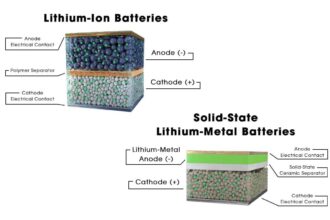
As we look toward 2027 and 2028, we expect to see even more integration between vehicles and the energy grid. Solid-state batteries are beginning to enter the luxury market, promising even faster charging speeds and better efficiency. Furthermore, the expansion of the “megawatt charging system” for heavy-duty trucks will eventually trickle down to passenger vehicles, potentially making a five-minute full charge a reality for the next generation of EVs.
Final Verdict
In 2026, the cost of EV charging is characterized by choice. Home charging remains the undisputed champion of value, offering a low-cost, high-convenience solution for the daily commute. Public charging, while more expensive, provides the necessary freedom for long-distance travel and serves as a vital resource for those without private garages. By understanding the rates, leveraging smart technology, and choosing the right charging networks, you can ensure that your transition to electric mobility is as financially rewarding as it is environmentally responsible.
Source Links and References
- U.S. Energy Information Administration (EIA) Electricity Outlook 2026
- Electrify America Pricing and Membership Data
- Research Dive: Global EV Charging Infrastructure Market Forecast
- European Alternative Fuels Observatory: AFIR Regulations 2026
- PwC Study on US Electric Vehicle Charging Market Growth
- Qmerit Blog: Home vs. Public Charging Cost Analysis