
The automotive landscape has undergone a tectonic shift as we arrive at the doorstep of 2026. This year represents a pivotal moment in transportation history, where the experimental phase of electrification has transitioned into a mature, competitive marketplace. For the modern consumer, the decision between a battery electric vehicle and a versatile hybrid model is no longer just about environmental consciousness. It is now a complex calculation involving long term financial planning, technological longevity, and personal lifestyle requirements.
- The Global Automotive Landscape: Market Snapshot for December 2025
- Understanding the Contenders: Electric Vehicles in 2026
- The Case for Hybrid Vehicles in 2026
- Financial Analysis: Total Cost of Ownership
- The Technological Frontier: Solid State Batteries
- Government Policies and Tax Incentives in 2026
- Environmental Impact: A Lifecycle Perspective
- The Verdict: Which Is Better for You?
- Final Thoughts for the 2026 Buyer
The Global Automotive Landscape: Market Snapshot for December 2025
As of today, December 26, 2025, the global hybrid vehicle market has reached an estimated valuation of 312 billion dollars, with projections suggesting it will climb to over 335 billion by the end of 2026. This growth is mirrored in the fully electric sector, which has moved from rapid production to what industry leaders call sustainable execution. Manufacturers are no longer simply racing to build the most cars: they are racing to build the most efficient and technologically advanced machines.
Recent data from the European and North American markets indicates that while fleet adoption of electric vehicles remains the structural backbone of growth, private consumers are increasingly looking at hybrid models as a practical bridge. The 2026 model year brings with it a wave of innovation, including the first viable commercial applications of solid state battery technology and highly efficient plug-in hybrid systems that offer more than 60 miles of pure electric range.
Understanding the Contenders: Electric Vehicles in 2026
The 2026 class of electric vehicles is defined by two major advancements: range anxiety is becoming a relic of the past, and charging speeds have reached parity with traditional refueling. The introduction of 800 volt architecture across mid range models means that a twenty minute stop can provide enough energy for several hundred miles of travel.
Luxury and High Performance Electric Models
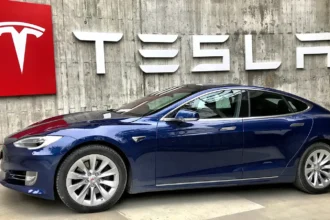
For the affluent driver, 2026 offers unparalleled choices. The Tesla Model S Plaid continues to dominate the long distance category with a real world range exceeding 500 miles. Close on its heels is the Lucid Air Grand Touring, which has set a new benchmark for luxury and aerodynamic efficiency. These vehicles are not just cars: they are high performance computers on wheels that offer a sophisticated driving experience with minimal maintenance.
The 2026 Mercedes Benz EQS SUV and the BMW iX xDrive50 represent the pinnacle of German engineering in the electric age. These models prioritize passenger comfort and digital integration, making them ideal for the executive who requires a mobile office. The residual value of these luxury units has stabilized as the second hand market for high capacity batteries matures.
Family Focused Innovation: The Hyundai Ioniq 9
A significant newcomer for the 2026 model year is the Hyundai Ioniq 9. This three row electric SUV is built on the proven E-GMP platform, offering families the space they need without the emissions of a traditional internal combustion engine. With a battery pack approaching 100 kilowatt hours and a range of over 300 miles, it addresses the specific needs of larger households. The inclusion of ultra rapid charging capabilities means that even on long family road trips, downtime is kept to an absolute minimum.
The Case for Hybrid Vehicles in 2026
Despite the push for total electrification, hybrid vehicles remain a dominant force in the 2026 market. They offer a unique blend of internal combustion reliability and electric efficiency, making them the preferred choice for those living in regions where charging infrastructure is still under development.
The Evolution of the Plug-In Hybrid (PHEV)
The 2026 plug-in hybrid models have evolved significantly. They now offer larger battery packs that allow for a daily commute to be completed entirely on electric power. The 2026 Toyota RAV4 Plug-In Hybrid and the Kia Niro PHEV are prime examples of this versatility. These vehicles provide the peace of mind that comes with a gasoline engine for long distance travel while maintaining the low operating costs of an electric car during city driving.
For those requiring more power, the 2026 Jeep Wrangler 4xe and the Porsche Cayenne Turbo E-Hybrid demonstrate that hybridization can actually enhance performance. The instant torque provided by the electric motor, combined with the sustained power of a turbocharged engine, results in a driving experience that is both exhilarating and efficient.
Traditional Hybrids: The Efficiency Leaders
Traditional hybrids, which do not require plugging in, remain the most accessible entry point into green technology. The 2026 Honda CR-V Hybrid and the Toyota Corolla Cross Hybrid offer exceptional fuel economy, often exceeding 40 miles per gallon in combined driving. These models are particularly attractive to urban dwellers who may not have access to home charging but still wish to reduce their carbon footprint and fuel expenditures.
Financial Analysis: Total Cost of Ownership
When evaluating which vehicle is better in 2026, one must look beyond the initial purchase price. The total cost of ownership involves insurance premiums, maintenance schedules, and the eventual replacement of high value components.
Insurance Costs and Risk Profiles
Current insurance data for 2026 shows that hybrid vehicles have an average annual insurance cost of approximately 2,554 dollars. In contrast, fully electric vehicles often carry a premium that is 300 to 500 dollars higher per year. This discrepancy is largely due to the specialized labor and expensive parts required for electric vehicle repairs.
However, it is worth noting that electric vehicles tend to have lower claim frequencies for bodily injury and personal protection. As more technicians become trained in high voltage systems, the cost gap for insurance is expected to narrow. For a luxury buyer, the insurance for a high end electric sedan like a Tesla Model S can reach over 4,000 dollars annually, reflecting its status as a high value asset.
Battery Longevity and Replacement Value
A major concern for 2026 buyers is the long term health of the battery. The good news is that battery prices have plummeted. In 2023, battery packs cost significantly more than they do today. By the end of 2026, pack prices are projected to reach 80 dollars per kilowatt hour.
This means that replacing a 75 kilowatt hour battery in a mid size SUV could cost as little as 6,000 dollars in the future, which is comparable to a major engine overhaul in a gasoline vehicle. Furthermore, the development of module level repairs allows for specific parts of the battery to be replaced for 2,000 to 5,000 dollars, further extending the vehicle’s lifespan without requiring a total pack replacement.
The Technological Frontier: Solid State Batteries
The year 2026 is widely regarded as the dawn of the solid state battery era. Several Chinese manufacturers and partnerships involving BMW and Ford have announced the limited release of vehicles featuring this revolutionary technology. Solid state batteries offer several advantages over traditional lithium ion cells: they are more energy dense, they charge faster, and they are significantly safer due to the lack of liquid electrolytes.
These new batteries are expected to provide ranges exceeding 600 miles on a single charge. While initially available only in high end luxury models, the trickledown effect of this technology will likely redefine the entire industry by the end of the decade. For the 2026 consumer, the choice may come down to whether they want the current, proven lithium ion technology or the cutting edge promise of solid state power.
Government Policies and Tax Incentives in 2026
The regulatory environment continues to play a massive role in the adoption of these vehicles. In the United States, the federal clean vehicle credit remains a vital factor. To qualify for the full 7,500 dollar credit in 2026, vehicles must meet increasingly stringent requirements regarding the sourcing of critical minerals and battery components.
Starting in 2026, 70 percent of the value of battery components must be manufactured or assembled in North America. This has led to a massive wave of investment in domestic battery gigafactories. For the consumer, this means that domestic brands often offer a more compelling financial proposition when the tax credit is applied at the point of sale.
Additionally, many states offer separate rebates and incentives, such as sales tax exemptions or high occupancy vehicle lane access. These perks can save an owner thousands of dollars over the life of the vehicle, making the transition to an electric or hybrid model even more attractive from a wealth management perspective.
Environmental Impact: A Lifecycle Perspective
From a sustainability standpoint, both electric and hybrid vehicles offer significant improvements over traditional gasoline cars. However, the lifecycle analysis in 2026 shows a clear advantage for fully electric models, especially as the power grid becomes greener.
The production of batteries is still carbon intensive, but the “break even” point where an electric vehicle becomes cleaner than a gasoline car has dropped to less than 15,000 miles of driving. For hybrid vehicles, the environmental benefit is consistent but less dramatic, as they still rely on fossil fuels for a portion of their energy.
The Verdict: Which Is Better for You?
The answer to which is better in 2026 depends entirely on your specific circumstances.
You should choose an Electric Vehicle if:
- You have access to home charging or live in a well supported urban area.
- Your daily commute is predictable.
- You want the lowest possible maintenance costs and the latest technological features.
- You are looking to maximize federal and state tax incentives.
You should choose a Hybrid Vehicle if:
- You frequently take long trips in areas with limited charging infrastructure.
- You require a lower upfront purchase price and lower insurance premiums.
- You want the flexibility of refueling at any gas station while still enjoying improved fuel economy.
- You are not yet ready to commit to a full electric lifestyle but want to reduce your environmental impact.
Final Thoughts for the 2026 Buyer
The 2026 model year represents a high water mark for automotive engineering. Whether you choose the pure efficiency of a battery electric vehicle or the versatile utility of a hybrid, you are investing in a future that is cleaner, quieter, and more technologically advanced. As the market continues to evolve, the gap between these two technologies will likely continue to shrink, leading to a world where “electric” is simply the standard for all quality transportation.