
The year 2026 marks a historic turning point in the automotive landscape. As global emissions standards tighten and battery technology reaches a critical maturity level, the market for electric SUVs has transformed from a niche segment into the primary focus of world class automotive engineering. This year represents the culmination of multi billion dollar investments in research, development, and manufacturing infrastructure. For the sophisticated driver, the 2026 lineup of electric SUVs offers an unparalleled blend of high performance, sustainable luxury, and cutting edge safety technology.
The transition toward electrification is no longer just about environmental stewardship. It is about a fundamental upgrade in the driving experience. The 2026 models arriving in showrooms represent the second and third generations of dedicated electric vehicle platforms. Unlike the early converted internal combustion models, these SUVs are designed from the ground up to maximize the unique benefits of electric drivetrains: lower centers of gravity, massive interior volume, and instantaneous torque that rivals the world’s quickest supercars.
Breakthrough Battery Technologies: Beyond Lithium Ion
One of the most significant developments for the 2026 model year is the diversification of battery chemistries and charging architectures. While lithium ion remains the industry standard, we are seeing the first commercial implementations of semi solid state and advanced silicon anode batteries. These innovations provide a higher energy density, allowing manufacturers to offer SUVs with ranges exceeding 400 miles without increasing the vehicle’s weight or footprint.
Furthermore, the 800 volt electrical architecture is becoming standard across the premium and luxury tiers. This technology allows for ultra rapid charging speeds, with many 2026 models capable of replenishing 10 to 80 percent of their battery capacity in under 18 minutes. For long distance travelers, this effectively eliminates range anxiety, making the electric SUV a viable primary vehicle for cross country excursions and remote adventures.
Top Electric SUVs Arriving in 2026: Detailed Brand Breakdown
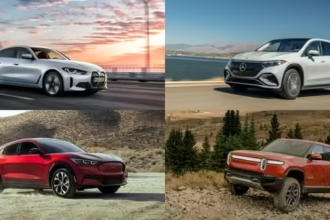
The 2026 roster features a mix of established luxury giants and disruptive newcomers, each bringing unique value propositions to the market. From the trails of Moab to the boulevards of Beverly Hills, there is a specialized electric SUV arriving this year for every lifestyle.
Porsche Cayenne EV: The Masterpiece of High Performance Engineering
Perhaps the most anticipated release of the year is the all electric Porsche Cayenne. Building on the success of the Taycan and the Macan Electric, the Cayenne EV is built on the Premium Platform Electric (PPE) architecture. This model is designed to maintain the legendary handling and performance of the Porsche brand while delivering a zero emission footprint.
Early specifications for the Cayenne Turbo Electric are staggering. With up to 1,156 horsepower and more than 1,000 pound feet of torque, it is expected to achieve a 0 to 60 mph time of approximately 2.5 seconds. Beyond raw power, Porsche has focused on energy recuperation. The regenerative braking system in the Cayenne EV can recover up to 600 kilowatts of power, which is technology directly derived from Porsche’s Formula E racing program. Inside, the cabin features a massive digital interface, including a 14.25 inch instrument cluster and an optional passenger display, creating a fully immersive technological environment.
Rivian R2 and R3: Redefining Mass Market Adventure
Rivian is transitioning from a niche startup to a major market player in 2026 with the launch of the R2 and R3 platforms. The Rivian R2 is a midsize SUV that brings the rugged, adventure ready DNA of the larger R1S into a more accessible price bracket. With an estimated starting price of approximately $45,000, the R2 is positioned to compete directly with the Tesla Model Y and the Hyundai Ioniq 5.
The R2 will offer multiple powertrain configurations, including single, dual, and tri motor setups. The most powerful version is expected to sprint from 0 to 60 mph in under 3 seconds. Range remains a priority, with the largest battery pack offering more than 300 miles on a single charge. The interior design continues Rivian’s focus on utility and sustainability, featuring recycled materials, dual gloveboxes, and a unique “open air” driving experience with windows and rear glass that fully retract.
Jeep Recon: The Electrification of Rugged Capability
Jeep is making a bold statement with the 2026 Recon, the brand’s first fully electric SUV designed specifically for off road dominance. The Recon is “Trail Rated,” meaning it has passed rigorous tests for traction, ground clearance, maneuverability, and water fording. Unlike many urban focused electric SUVs, the Recon features removable doors and windows, allowing for the classic open air Jeep experience.
Performance is equally impressive for the trail enthusiast. The Moab trim level is expected to deliver 650 horsepower and 620 pound feet of torque, providing the low end grunt necessary for technical rock crawling. Jeep has also integrated a sophisticated Selec-Terrain traction management system that includes a dedicated Rock mode, specifically calibrated for the instant torque of electric motors. With a 100 kilowatt hour battery pack, the Recon balances adventure capability with practical daily range.
Hyundai Ioniq 9 and Cadillac Vistiq: The New Three Row Standard
The family SUV segment is seeing a massive influx of all electric three row options. The Hyundai Ioniq 9 is the brand’s flagship electric SUV, sharing its E-GMP architecture with the Kia EV9. This model emphasizes interior space and passenger comfort, offering a “living room on wheels” concept with swiveling seats and a flat floor. The 800 volt system ensures that even a large 100 kilowatt hour battery can be charged quickly during family road trip breaks.
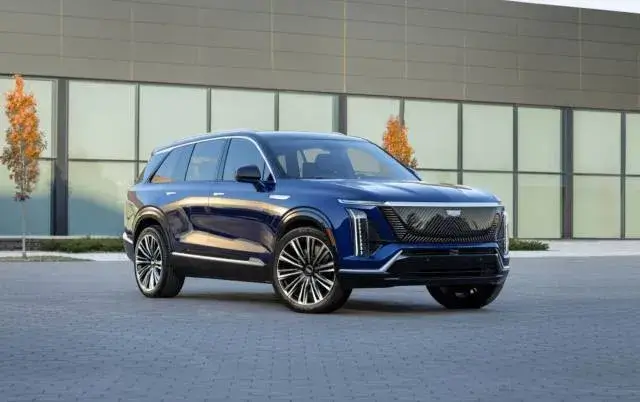
Simultaneously, Cadillac is expanding its luxury portfolio with the Vistiq. Slotting between the Lyriq and the massive Escalade IQ, the Vistiq focuses on American luxury and sophisticated road manners. It features the GM Ultium platform, which allows for modular battery configurations and high levels of technological integration, including the hands free Super Cruise driver assistance system.
The Technological Core: Safety and Autonomous Driving Liabilities
As we move into 2026, the technology inside the vehicle is becoming as important as the mechanics under the floor. Modern electric SUVs are essentially computers on wheels, and this shift has significant implications for safety and liability.
Advanced Driver Assistance Systems (ADAS)
Most 2026 electric SUVs come equipped with Level 2 and Level 3 autonomous driving capabilities. These systems use a combination of LiDAR, radar, and high resolution cameras to monitor the environment in 360 degrees. Brands like Rivian and Tesla are pushing the boundaries of “hands free” driving on mapped highways, reducing driver fatigue and significantly lowering the risk of rear end collisions.
However, the integration of these systems introduces new complexities in terms of automotive liability and insurance. As vehicles take more control over steering and braking, the industry is seeing a shift toward software based safety assessments. Insurance providers in 2026 are increasingly looking at “telematics” data to determine premiums, rewarding drivers who utilize safety features correctly and maintain a high safety score.
Cyber Security in the Modern SUV
With over the air (OTA) updates now standard, the 2026 electric SUV is constantly evolving. Manufacturers can improve range, increase power, and fix software bugs without the vehicle ever visiting a service center. This connectivity requires robust cyber security measures to protect the vehicle’s control systems from unauthorized access. High end brands are investing heavily in encrypted communication protocols and secure hardware gateways to ensure that the digital heart of the SUV remains impenetrable.
Financial Considerations: Insurance, Maintenance, and Resale Value
Prospective buyers in 2026 must look beyond the sticker price to understand the total cost of ownership (TCO) for a luxury electric SUV. While the initial investment may be higher than a traditional gasoline vehicle, the long term financial landscape is quite different.
The Evolution of EV Insurance Premiums
Historically, electric vehicles have been more expensive to insure due to the high cost of battery replacement and specialized repair requirements. In 2026, we are seeing a stabilization of these rates. As more technicians become certified in EV repair and the supply chain for replacement parts matures, the “insurance gap” between electric and internal combustion SUVs is narrowing.
Currently, insurance for a premium electric SUV is estimated to be approximately 15 to 40 percent higher than a comparable luxury gasoline model. However, many insurers now offer “Green Vehicle” discounts, and the inclusion of advanced safety suites can lead to lower liability premiums over time. It is highly recommended that buyers obtain comprehensive quotes from multiple providers to account for the specific risk profiles of these high tech machines.
Maintenance and Long Term Reliability
One of the primary financial advantages of the 2026 electric SUV is the drastic reduction in moving parts. Without an internal combustion engine, there are no oil changes, spark plug replacements, or complex transmission services. Braking systems also last significantly longer due to regenerative braking, which uses the motor to slow the vehicle rather than friction pads.
Most manufacturers are offering 8 to 10 year warranties on the battery pack and electric drivetrain, providing peace of mind for original owners and secondary buyers alike. This long term reliability is expected to bolster resale values, making the 2026 models a more stable financial asset than the rapidly depreciating luxury SUVs of the past decade.
The Infrastructure Boom: Residential and Commercial Solutions
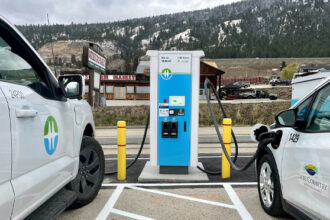
The success of the 2026 electric SUV lineup is inextricably linked to the rapid expansion of the charging ecosystem. We are seeing a dual approach to infrastructure: high speed public networks and smart residential integration.
Smart Home Charging and Energy Management
For the majority of owners, charging happens at home. The latest residential charging stations arriving in 2026 are more than just power outlets; they are intelligent energy management hubs. Features like “Vehicle to Home” (V2H) and “Vehicle to Grid” (V2G) are becoming reality. In the event of a power outage, your 2026 electric SUV can act as a backup battery for your entire house, providing several days of electricity.
Additionally, smart chargers can be programmed to draw power only when utility rates are at their lowest, or when renewable energy production from home solar panels is at its peak. This integration turns the SUV into a critical component of a sustainable home ecosystem, further reducing the overall cost of living.
The Unified Charging Standard: NACS Dominance
A major win for consumers in 2026 is the widespread adoption of the North American Charging Standard (NACS), originally developed by Tesla. Almost every major manufacturer, including Ford, GM, Rivian, and the European luxury brands, has transitioned to this port. This means that a Porsche or Jeep owner can now seamlessly use the vast Tesla Supercharger network, providing unparalleled access to reliable, high speed charging across the continent.
Environmental Impact and Sustainable Sourcing
The 2026 model year marks a significant shift in how vehicles are produced. Sustainability is no longer just about tailpipe emissions; it is about the entire lifecycle of the vehicle.
Ethical Mineral Sourcing and Circular Economies
Automotive giants are under increased scrutiny regarding the sourcing of materials like cobalt, lithium, and nickel. In response, 2026 models are utilizing “Blockchain” technology to track the origin of every gram of battery material, ensuring that it is mined ethically and sustainably. Furthermore, there is a growing emphasis on the “Circular Economy,” where old battery packs are repurposed for grid storage or recycled to harvest raw materials for new cells.
Sustainable Interior Materials
The luxury experience in 2026 is being redefined by “vegan” and recycled materials. Brands like Audi and BMW are replacing traditional leather with high quality synthetic textiles and bio based materials derived from pineapple husks, mushrooms, and recycled ocean plastics. These materials offer the same tactile feel as premium leather while significantly reducing the carbon footprint of the vehicle’s interior.
Tesla in 2026: The Cybercab and Semi Revolution
No discussion of the 2026 electric SUV market would be complete without mentioning Tesla’s continued disruption. While the Model Y continues to lead in global sales volume, 2026 is the year Tesla enters new segments.
The Tesla Cybercab, an autonomous focused vehicle built on a next generation platform, is slated to begin initial production. This vehicle represents a shift toward a “Transportation as a Service” model, where the SUV is designed more for utility and efficiency than traditional ownership. Additionally, the volume production of the Tesla Semi is expected to revolutionize the logistics industry, which will indirectly lower the environmental impact of the entire automotive supply chain.
Conclusion: Is 2026 the Best Year to Transition to an Electric SUV?
For many drivers, 2026 represents the perfect “Goldilocks” moment for the electric SUV. The technology has matured, the charging infrastructure is robust, and the variety of available models ensures that there is a vehicle to fit every specific need and budget. Whether you are looking for the raw performance of a Porsche, the rugged versatility of a Jeep, or the high tech luxury of a Rivian, the class of 2026 offers a level of excellence that was unimaginable just a few years ago.
The decision to transition to an electric SUV is an investment in the future of mobility. With lower maintenance costs, high resale potential, and a driving experience that is both thrilling and serene, the 2026 lineup proves that the electric revolution has officially arrived.