
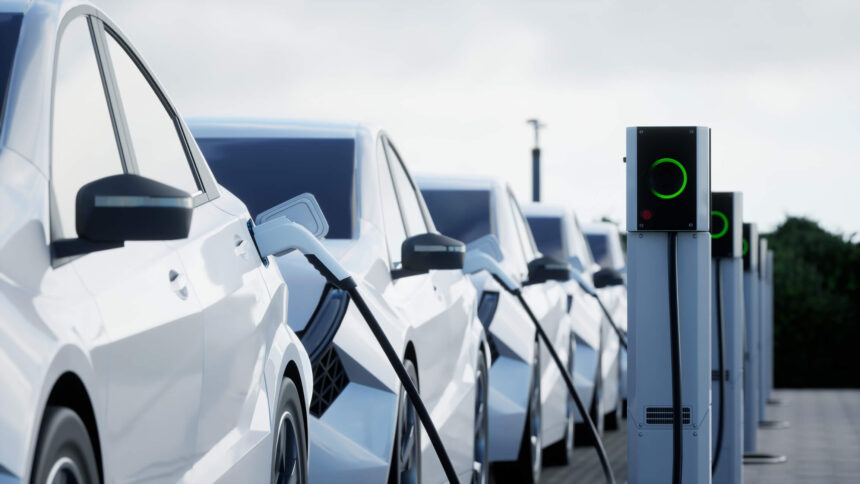
The landscape of electric vehicle (EV) ownership has undergone a seismic shift as we move deeper into 2026. For the modern driver, the decision to go electric is no longer just about environmental stewardship: it is a calculated financial maneuver. With the expiration of major federal tax incentives in late 2025 and the introduction of the One Big Beautiful Bill Act, the strategies for securing a vehicle have evolved from simple dealership visits to complex asset management. This guide provides an exhaustive breakdown of how to navigate the current financial climate to ensure your transition to electric mobility is as cost-effective as possible.
- The State of the Electric Vehicle Market in 2026
- The Post Credit Era: Understanding 2026 Tax Laws
- Traditional Auto Loans in a High Interest Environment
- Manufacturer Backed Financing and 0 Percent APR Wars
- The Evolution of Leasing in 2026
- The Rise of Used Electric Vehicle Financing
- Financing for Small Businesses and Fleets
- Insurance Considerations and Hidden Costs
- Strategies for Negotiating the Best Deal
- Comparing Financing Models: A Quick Reference
- The Future of EV Ownership: Looking Toward 2027
- Source Links for Further Research
- Live Daily Information: Real-Time Market Trends
- Final Thoughts for the 2026 Buyer
The State of the Electric Vehicle Market in 2026
As of early 2026, the market has entered what experts call the Phase of Rationalization. The initial frenzy of the early 2020s has stabilized into a more mature ecosystem. Manufacturers like Tesla, Rivian, and Lucid have shifted focus from pure production volume to profitability and refined financing structures.
One of the most significant changes this year is the massive influx of used inventory. In 2023, the industry saw a peak in leasing activity. Those three-year leases are now expiring, flooding the market with hundreds of thousands of high-quality, pre-owned electric cars. This has created a unique opportunity for buyers who previously found the entry price of a new electric car prohibitive.
The Post Credit Era: Understanding 2026 Tax Laws
The biggest financial news of the year remains the sunsetting of the Inflation Reduction Act’s primary vehicle credits. As of September 30, 2025, the standard $7,500 new vehicle credit and the $4,000 used vehicle credit effectively expired for the vast majority of consumers.
In their place, the Working Families Tax Cut Act (often referred to as the One Big Beautiful Bill) has introduced new, albeit different, incentives. Instead of a direct point of sale rebate for the vehicle price, the current focus has shifted toward:
- Interest Deductions: Eligible individuals can now receive up to a $10,000 deduction on loan interest for new passenger vehicles.
- Charging Infrastructure Credits: The federal tax credit for home charging equipment remains available through June 30, 2026, covering up to 30 percent of the installation costs.
- Business Asset Depreciation: For small business owners, Section 179 deductions remain a powerful tool for vehicles over 6,000 pounds.
Traditional Auto Loans in a High Interest Environment
Securing a traditional loan remains the most common path to ownership, but the terms have become more stringent. In 2026, lenders are utilizing AI-driven credit underwriting that considers more than just your FICO score. They are now looking at telematics data and even the projected battery health of the vehicle being purchased.
Credit Unions vs Big Banks
Credit unions continue to lead the market in competitive APRs. Because they are member-owned, they often offer rates that are 1 to 1.5 percent lower than national banks. For a $50,000 loan over 60 months, this difference can save a borrower over $2,000 in interest over the life of the loan.
Large national banks, however, are offering “Green Loan” packages. These are specialized products that bundle the vehicle loan with home charger financing and, in some cases, discounted insurance premiums. If you are a high-net-worth individual or have an existing relationship with a major bank, these bundled services may outweigh the slightly higher interest rate.
The Role of Credit Scores in 2026
Your credit tier now dictates your options more than ever:
- Tier 1 (740+): Access to promotional 0.99% or 1.99% APR from manufacturer-backed lenders.
- Tier 2 (700-739): Standard market rates, currently hovering between 5.5% and 6.5%.
- Tier 3 (620-699): Higher interest rates (8%+) and often requiring a 10% to 20% down payment.
- Tier 4 (Below 620): Specialized subprime lenders are the primary option, often requiring significant collateral or high-yield interest terms.
Manufacturer Backed Financing and 0 Percent APR Wars
To combat the cooling effect of the expired tax credits, automakers have stepped in as the primary source of incentives. In early 2026, we are seeing a resurgence of the 0% APR financing deals that were common a decade ago.
Tesla’s Financing Strategy
Tesla has remained aggressive with its internal financing arm. Currently, the Model Y Standard trim is frequently offered with 0% APR for up to 72 months for qualified buyers. However, higher performance trims like the Model X Plaid often carry a higher rate, such as 3.99%. This tiered approach allows them to move high-volume inventory while maintaining margins on premium models.
Legacy Automakers: Ford, GM, and Genesis
Genesis has emerged as a leader in luxury EV incentives for 2026. Their current offers include 0.99% APR for 36 months on models like the GV60 and G80 Electrified. Ford and GM have also introduced “Loyalty and Conquest” bonuses. For example, if you are trading in a competitive electric vehicle for a Ford F-150 Lightning, you may be eligible for a $2,000 bonus on top of a 2.9% financing rate.
The Evolution of Leasing in 2026
Leasing has transitioned from a niche choice to a strategic necessity for many. Because EV technology moves so rapidly, many consumers are hesitant to commit to 10 years of ownership. Leasing acts as a hedge against technological obsolescence and battery degradation.
Residual Value Risk
In 2026, the “Residual Value” of a vehicle is the most critical component of a lease. Lenders are now more cautious because used prices for older electric cars have been volatile. To counter this, many manufacturers are now offering “Battery-as-a-Service” (BaaS) within their lease agreements. In this model, you lease the car but essentially rent the battery, allowing for an easier upgrade path if better battery chemistry (such as solid-state) becomes available mid-term.
Closed End vs Open End Leases
For individual consumers, the closed-end lease remains the standard. You agree on a mileage limit (typically 10,000 or 12,000 miles per year) and return the car at the end of 36 months. However, for 2026, “Ultra-Low Mileage” leases of 5,000 to 7,500 miles have become popular for urban professionals, significantly lowering the monthly payment.
The Rise of Used Electric Vehicle Financing
2026 is officially the year of the used EV. With nearly half a million off-lease vehicles entering the market, secondary financing has become a massive sector.
Certified Pre Owned (CPO) Benefits
Buying a CPO vehicle is often the smartest financial move this year. A CPO Rivian or Tesla comes with a manufacturer-backed warranty that often extends the original battery coverage. Financing a CPO vehicle is also easier than a private sale: many brands offer special CPO rates (around 3.9% to 4.9%) which are significantly lower than standard used car loans.
Private Party Financing Challenges
If you are buying an electric car from a private individual, be prepared for a more rigorous inspection process. Lenders in 2026 often require a certified “Battery Health Report” before approving a loan for a used EV. These reports analyze the State of Health (SoH) and the number of fast-charging cycles the vehicle has undergone. A vehicle with a battery health below 85% may be disqualified from standard financing or require a much higher interest rate.
Financing for Small Businesses and Fleets
For the entrepreneur, 2026 offers specialized paths to electrification. Commercial vehicle financing has diverged from consumer loans, focusing heavily on Total Cost of Ownership (TCO) rather than just the monthly payment.
Commercial Lease-to-Own
This hybrid model allows businesses to use the vehicle for 3 to 5 years with the option to purchase it for a pre-determined “balloon” payment at the end. This preserves cash flow during the early stages of a business while still building equity in a depreciable asset.
Infrastructure Bundling
Many commercial lenders are now allowing businesses to roll the cost of Level 3 fast chargers into the vehicle loan. This is particularly beneficial for delivery fleets or HVAC contractors who need reliable overnight charging at their place of business.
Insurance Considerations and Hidden Costs
When calculating your monthly budget, the loan payment is only part of the story. In 2026, insurance premiums for electric vehicles have seen a slight increase due to the high cost of specialized repairs.
Collision and Comprehensive Coverage
Because electric cars are essentially high-tech computers on wheels, a minor fender bender can involve expensive sensors and battery casing inspections. It is vital to get an insurance quote before signing your financing paperwork. Many owners in 2026 are opting for “Gap Insurance,” which covers the difference between what you owe on your loan and the vehicle’s market value if it is totaled. Given the depreciation curves of early-decade EVs, Gap Insurance is a highly recommended addition to any 2026 loan.
Registration Fees and Road Taxes
As more states lose revenue from gas taxes, many have implemented “EV Road Use Fees.” In 2026, some states charge as much as $300 to $500 annually at the time of registration. Ensure you factor this into your “daily info” checks for your local municipality.
Strategies for Negotiating the Best Deal
The power dynamic in 2026 has shifted back toward the consumer. With increased inventory and higher production capacity, dealerships are no longer able to charge the “Market Adjustments” that were common in 2022 and 2023.
- Pre Approval is Mandatory: Always walk into a dealership with a pre-approved loan from a credit union. This forces the dealer’s finance office to beat that rate.
- Negotiate the Out-the-Door Price: Dealers may try to focus you on a “low monthly payment” while extending the loan term to 84 or 96 months. Avoid this trap. Focus on the total purchase price.
- Ask About Unadvertised Incentives: Many manufacturers offer “Dealer Cash” to move specific models. While not advertised to the public, a savvy buyer can ask for this to be applied to their down payment.
Comparing Financing Models: A Quick Reference
| Option | Best For | Typical Term | Pros | Cons |
| New Car Loan | Long-term owners | 60-72 Months | Lower APR, full warranty | Rapid initial depreciation |
| Leasing | Tech enthusiasts | 24-36 Months | Lower payments, no resale risk | Mileage limits, no equity |
| CPO Loan | Value seekers | 48-60 Months | Great value, warranty | Used car interest rates |
| BaaS (Battery-as-a-Service) | Risk-averse buyers | Varies | Cheaper car price, battery swaps | Monthly subscription fee |
The Future of EV Ownership: Looking Toward 2027
As we look ahead, the integration of Vehicle-to-Grid (V2G) technology is set to become a financial asset. Some utility companies are already trialing programs where they pay EV owners to discharge power back into the grid during peak hours. In the coming year, this could become a way for your vehicle to actually “pay for itself” in part, potentially offsetting a portion of your monthly loan payment.
Source Links for Further Research
- Internal Revenue Service (IRS) official guidelines on Clean Vehicle Credits: irs.gov
- Department of Energy (DOE) Alternative Fuels Data Center: afdc.energy.gov
- Kelley Blue Book (KBB) EV Financing Guide: kbb.com
- Tesla’s current financing and incentive dashboard: tesla.com/support/incentives
- Consumer Reports Guide to EV Maintenance Costs: consumerreports.org
Live Daily Information: Real-Time Market Trends
Today’s market data suggests a slight cooling in average APRs for Tier 1 credit, down by approximately 0.25% compared to last quarter. This is attributed to the Federal Reserve’s recent adjustments to the prime rate. If you are shopping today, keep a close eye on end-of-quarter “sales events.” Manufacturers typically push their most aggressive financing terms during the last week of March, June, September, and December.
Current average APR for new EV loans (January 2026):
- 72-month term: 6.45%
- 60-month term: 5.95%
- 48-month term: 5.25%
Final Thoughts for the 2026 Buyer
Navigating the financial landscape of 2026 requires a more hands-on approach than in years past. The loss of federal tax credits means that consumers must be more diligent in seeking out manufacturer incentives, credit union deals, and state-level rebates.
Whether you choose to lease a new high-performance SUV or finance a certified pre-owned sedan, the key is to look at the total cost of ownership. By factoring in interest, insurance, maintenance savings, and potential V2G revenue, you can make an informed decision that benefits your wallet as much as it does the planet.