
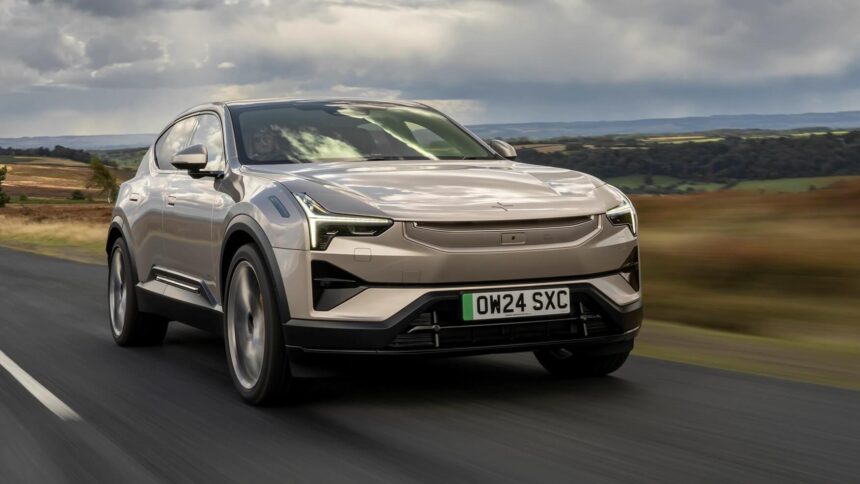
The automotive landscape has undergone a seismic shift over the last five years. As we stand at the threshold of 2026, the question of whether to transition from internal combustion engines to electric propulsion is no longer just a matter of environmental conscience. It is a complex decision involving financial strategy, technological literacy, and infrastructure reality. For anyone considering a vehicle purchase this year, the variables have changed significantly since the early days of the electric revolution.
- The Financial Reality: Upfront Costs and Long Term Savings
- The Battery Revolution: Technology Breakthroughs in 2026
- Charging Infrastructure: Is Range Anxiety a Thing of the Past?
- Resale Value and Depreciation: The Hard Truth
- Environmental Impact and Sustainability in 2026
- Top Electric Vehicle Models to Consider in 2026
- Incentives and Tax Credits: Navigating the 2026 Landscape
- Insurance and Hidden Costs
- Is 2026 the Right Year for You?
- Final Verdict on the 2026 EV Market
Global electric vehicle sales reached a record 2.1 million units in September 2025 alone, representing a 26 percent year over year growth. Industry analysts now project that by the end of 2026, one in every four new cars sold globally will be electric. This momentum is driven by falling prices, battery innovations, and an ever expanding network of charging stations. However, the decision to buy is not universal. It depends heavily on your driving habits, your local climate, and your long term financial goals.
The Financial Reality: Upfront Costs and Long Term Savings
In 2026, the price gap between electric vehicles and traditional gasoline cars has narrowed but not entirely closed. The average transaction price for a new electric vehicle currently sits around $55,000, while gas powered counterparts average roughly $49,000. While a $6,000 difference remains significant, the true value of an electric car is found in the total cost of ownership.
Fuel and Energy Expenses
Data from late 2025 shows that electric vehicle owners save an average of $1,500 annually on fuel. With the national average electricity rate remaining more stable than volatile gasoline prices, the cost to power an electric car is approximately $0.05 per mile, compared to $0.12 per mile for a standard gasoline engine. For a driver covering 15,000 miles a year, this translates to nearly $1,050 in direct energy savings. In states with high gas prices and low electricity rates, such as Washington or parts of the Midwest, these savings can be even more pronounced.
Maintenance and Repair Costs
One of the most compelling arguments for electric vehicles in 2026 is the reduction in maintenance requirements. Electric drivetrains have roughly 20 moving parts, whereas internal combustion engines have hundreds. This simplicity means you can say goodbye to oil changes, spark plug replacements, and exhaust system repairs.
Studies indicate that electric vehicles require 31 percent to 50 percent less maintenance over their lifetime. Regenerative braking also significantly extends the life of brake pads and rotors. However, it is important to note that tires on electric cars tend to wear out 20 percent faster due to the increased weight of the battery packs and the instant torque provided by electric motors. Owners should budget for high quality, electric specific tires to maintain efficiency and safety.
The Battery Revolution: Technology Breakthroughs in 2026
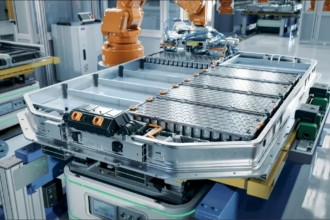
The year 2026 marks a turning point for battery technology. We are seeing the first commercial applications of semi-solid state batteries and the widespread adoption of lithium iron phosphate (LFP) chemistry in mass market models.
Solid State and Semi-Solid State Batteries
Major manufacturers like Toyota and specialized tech firms like QuantumScape have begun pilot programs for solid state batteries. These units replace the flammable liquid electrolyte with a solid material, offering higher energy density and much faster charging times. While full scale mass production for the average consumer is still a year or two away, 2026 models like the IM Motors L6 are already showcasing semi-solid state technology, boasting ranges exceeding 600 miles on a single charge.
The Rise of LFP and Sodium Ion
For the budget conscious buyer, 2026 is the year of LFP and Sodium Ion batteries. LFP batteries do not use expensive materials like cobalt or nickel, making them more sustainable and less prone to thermal runaway. They also have a much longer cycle life, often lasting for 3,000 or more charge cycles without significant degradation. Sodium Ion batteries are also entering the scene, offering a low cost alternative that performs exceptionally well in cold climates, solving one of the traditional pain points for electric vehicle owners in northern regions.
Charging Infrastructure: Is Range Anxiety a Thing of the Past?
As of December 2025, the global charging infrastructure has reached a critical mass. The total number of public charging points has grown ninefold since 2020. In 2026, the focus has shifted from mere quantity to quality and speed.
Ultra Fast Charging Hubs
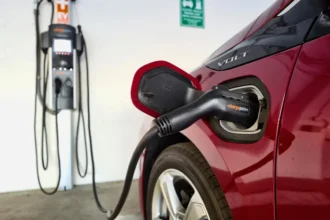
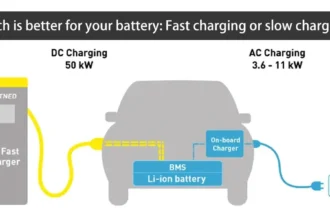
The new standard for public charging in 2026 is the 350 kW ultra fast charger. These stations can add up to 200 miles of range in just 15 minutes, making long distance road trips comparable to the time it takes to stop for a coffee and a restroom break. Companies like Tesla, Electrify America, and Ionity have integrated AI driven energy management to ensure these chargers are always operational and that power is distributed efficiently across multiple vehicles.
The Convenience of Home Charging
Despite the growth of public networks, 80 percent of charging still happens at home. In 2026, smart home integration has made this easier than ever. Modern Level 2 home chargers can communicate with the power grid to charge your vehicle during off peak hours when electricity is cheapest. Some vehicles now support Vehicle to Home (V2H) technology, allowing your car to act as a backup battery for your house during power outages, which adds a layer of utility that no gasoline car can match.
Resale Value and Depreciation: The Hard Truth
If there is one area where buyers must exercise caution in 2026, it is depreciation. Because technology is moving so fast, older electric models can sometimes feel obsolete more quickly than traditional cars. Recent data suggests that some electric vehicles lose value at nearly twice the rate of gas cars during the first three years.
The Recalibration of the Used Market
We are currently seeing a market recalibration. As the initial wave of early adopters moves on to newer technology, the second hand market is becoming flooded with older models. While this is bad for sellers, it is excellent for buyers looking for a bargain. A three year old electric car with a healthy battery can often be purchased for 40 percent of its original sticker price. However, when buying new in 2026, it is vital to choose a model with a robust battery warranty and a proven track record of software updates to protect your investment.
Environmental Impact and Sustainability in 2026
The environmental argument for electric vehicles has become even stronger this year. As the electrical grid continues to green with more solar and wind power, the carbon footprint of driving an electric vehicle drops every day.
Recycling and Ethical Sourcing
In 2026, the industry has made significant strides in battery recycling. Companies are now able to recover up to 99 percent of the lithium, cobalt, and nickel from old batteries. This creates a circular economy that reduces the need for new mining. Furthermore, the shift away from cobalt in many battery chemistries has addressed the ethical concerns regarding labor practices in mining regions. For the eco-conscious buyer, the electric vehicle remains the most effective way to reduce personal transport emissions.
Top Electric Vehicle Models to Consider in 2026
The market in 2026 is filled with diverse options ranging from luxury sedans to affordable city cars. Here are some of the standout models currently leading the charts.
The Luxury Leaders
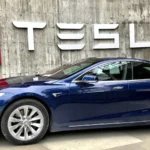
For those seeking the pinnacle of performance and range, the Tesla Model S Plaid and the Lucid Air Grand Touring remain the gold standard. These vehicles offer ranges between 450 and 520 miles and acceleration that can rival supercars. They are equipped with the latest autonomous driving hardware and sophisticated infotainment systems that receive regular over the air updates.
The Family Favorites
The Kia EV9 and the Tesla Model Y continue to dominate the family SUV segment. The EV9 offers three rows of seating and ultra fast charging capabilities, while the Model Y benefits from the unparalleled reliability of the Supercharger network. Both vehicles have earned top safety ratings and offer plenty of cargo space for daily needs.
The New Wave of Affordable EVs
2026 is truly the year of the affordable electric car. The Renault Twingo E-Tech and the Volkswagen ID.2 have hit the market with prices starting under $25,000. These cars are designed for urban commuters who need a reliable, efficient vehicle for city driving without the premium price tag of a long range SUV. Additionally, the new generation Nissan Leaf has reinvented itself as a stylish crossover with significantly improved range and tech.
Incentives and Tax Credits: Navigating the 2026 Landscape
The landscape for government incentives has changed. In the United States, many federal tax credits for new vehicles have become more restrictive or have expired as the market matured. However, some states and local municipalities still offer substantial rebates.
Regional Variations
In Europe, many countries are shifting from direct purchase subsidies to tax breaks for company cars and expanded infrastructure grants. In China, the government continues to support the industry through localized incentives and license plate privileges. Before purchasing, it is crucial to check the latest regulations in your specific region, as these can alter the effective price of the vehicle by thousands of dollars.
Insurance and Hidden Costs
One factor that many buyers overlook is insurance. In 2026, insurance premiums for electric vehicles remain roughly 15 percent higher than for gasoline cars. This is primarily due to the specialized equipment and higher repair costs associated with battery packs and advanced sensors.
Furthermore, some regions have introduced higher registration fees for electric vehicles to make up for the loss of gas tax revenue used for road maintenance. While these costs do not negate the fuel and maintenance savings, they should be included in your monthly budget calculations to ensure there are no surprises.
Is 2026 the Right Year for You?
The answer to whether an electric car is worth it depends on your specific circumstances.
You should buy an electric car in 2026 if:
- You drive more than 12,000 miles a year, maximizing your fuel savings.
- You have access to home charging or live near a high speed charging hub.
- You are looking for a car with the latest technology and a smooth, quiet driving experience.
- You plan to keep the vehicle for at least five to seven years to recoup the higher upfront cost.
You might want to wait or consider a hybrid if:
- You live in a very remote area with limited charging infrastructure.
- You frequently tow heavy loads over long distances, which can significantly reduce electric range.
- You need the lowest possible upfront price and cannot afford the current electric vehicle premiums.
- You replace your car every two years and are concerned about rapid depreciation.
Final Verdict on the 2026 EV Market
As we analyze the data and trends of late 2025 and early 2026, it is clear that electric vehicles have moved beyond the niche phase. They are now a mainstream, viable, and often superior alternative to the internal combustion engine. The combination of falling battery prices, improved range, and a maturing charging network has made them a smart choice for the majority of drivers.
While the upfront cost remains a hurdle for some, the long term financial benefits and the positive environmental impact are undeniable. Buying an electric car in 2026 is an investment in a cleaner, more efficient future. As technology continues to evolve, the gap between gas and electric will only continue to widen in favor of the battery.