
As we stand here on December 26, 2025, the automotive landscape is undergoing its most radical transformation since the invention of the internal combustion engine. Looking forward to 2026, the shift toward electrification is no longer a distant promise but a daily reality. This year marks a critical juncture where technology, infrastructure, and economic factors are finally aligning to make electric vehicles a viable choice for the majority of global drivers.
- The State of the Market in 2026
- The Major Advantages of Electric Cars in 2026
- The Significant Disadvantages of Electric Cars in 2026
- Technical Deep Dive: 2026 Battery Chemistries
- Top 15 Electric Vehicles to Watch in 2026
- The Total Cost of Ownership (TCO) in 2026
- Future Outlook: Beyond 2026
- Is 2026 the Year to Go Electric?
In this deep dive, we explore the comprehensive landscape of electric mobility in 2026. From the long awaited arrival of solid state batteries to the complex challenges of infrastructure equity, this guide provides the essential information you need to navigate the electric car market in the coming year.
The State of the Market in 2026
The year 2026 is defined by a significant milestone: 1 in 4 new cars sold globally is now electric. Driven by falling manufacturing costs and aggressive government mandates, the industry has shifted from early adoption to mass market saturation. Major manufacturers like Toyota, Mercedes Benz, and Volkswagen are no longer just experimenting; they are launching their second and third generation platforms, which are specifically designed to address the historical pain points of range and charging speed.
Real Time Market Snapshot
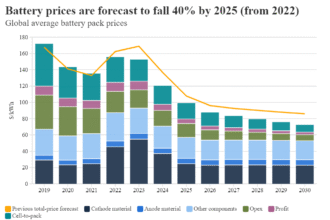
As of late 2025, the average price of a lithium ion battery pack has fallen below $90 per kWh. This is a crucial economic threshold that has allowed manufacturers to introduce high quality electric vehicles at price points previously reserved for petrol or diesel cars. In 2026, we are finally seeing the realization of price parity, where the sticker price of a new electric SUV is comparable to its internal combustion counterpart without the need for heavy government subsidies.
The Major Advantages of Electric Cars in 2026
1. The Arrival of Solid State Battery Technology
For years, the “holy grail” of the automotive industry has been the solid state battery. In 2026, we are witnessing the first production level implementations of this technology. Companies like Mercedes Benz, in partnership with Factorial Energy, have begun road testing vehicles equipped with solid state cells.
The advantages are transformative. These batteries offer up to 25% more energy density than traditional liquid electrolyte batteries. For a flagship sedan like the Mercedes EQS, this translates to a range exceeding 600 miles on a single charge. Furthermore, solid state batteries are inherently safer, as they eliminate the flammable liquid components that have occasionally led to thermal runaway incidents in older models.
2. Rapid Charging and Infrastructure Maturation
Charging anxiety, a primary deterrent for many years, is rapidly becoming a thing of the past in 2026. The global network of ultra fast chargers has expanded by over 40% in the last year alone. High power stations capable of delivering up to 350kW or even 500kW are now common along major highways.
For a vehicle with an 800V architecture, such as the upcoming 2026 BMW iX3 or the Audi A6 e-tron, a 10% to 80% charge can now be completed in roughly 12 to 15 minutes. This timeframe is comparable to a traditional petrol station stop when you factor in time for a quick coffee or rest break.
3. Bidirectional Charging: Your Car as a Home Power Station
A standout feature of 2026 electric models is the standardization of bidirectional charging, also known as Vehicle to Home (V2H) or Vehicle to Grid (V2G) technology. Modern EVs are essentially massive mobile batteries. In 2026, many homeowners are using their cars to power their houses during peak electricity hours or as a backup during grid outages.
This technological shift allows drivers to save money by charging their cars during off peak hours when electricity is cheapest and then using that stored energy to run home appliances during expensive peak periods. Some energy companies are even paying EV owners to feed power back into the grid during high demand events.
4. Economic Efficiency and Lower Running Costs
While the purchase price has reached parity, the real savings in 2026 are found in the total cost of ownership. On average, an electric car costs about 60% less to “fuel” than a petrol vehicle over the course of a year. With fewer moving parts—no oil changes, spark plugs, or complex transmission systems to maintain—repair costs are significantly lower.
According to 2026 fleet data, the maintenance costs for a typical electric crossover are 11% to 15% lower than its internal combustion engine equivalent. For high mileage drivers, the savings can amount to thousands of dollars over a three year period.
5. Environmental Impact and Urban Air Quality
The environmental benefits of EVs have only intensified in 2026 as the global energy grid becomes greener. In many regions, over 50% of the electricity used to charge these vehicles now comes from renewable sources like wind, solar, and hydroelectric power.
Beyond the reduction in carbon emissions, the impact on urban environments is profound. Cities that have aggressively adopted electric buses and private vehicles are reporting measurable improvements in air quality and a significant reduction in noise pollution. The silent operation of EVs is transforming modern cities into quieter, more livable spaces.
The Significant Disadvantages of Electric Cars in 2026
Despite the massive strides made, owning an electric car in 2026 is not without its challenges. It is vital for prospective buyers to understand the remaining hurdles.
1. High Depreciation and Residual Value Concerns
One of the most significant disadvantages in 2026 is the rate of depreciation. Because battery technology is advancing so rapidly, an EV purchased today may be technologically “obsolete” in three or four years. This leads to lower resale values compared to traditional cars.
Many 2026 consumers are opting for leasing rather than purchasing to protect themselves from this technology risk. When you lease, the risk of the car’s value dropping due to a new battery breakthrough falls on the manufacturer or the leasing company rather than the individual owner.
2. Infrastructure Gaps in Rural and Multi Unit Dwellings
While charging is abundant on major highways and in affluent suburban areas, a significant “charging divide” remains in 2026. Drivers living in rural regions or in older apartment buildings without dedicated parking spaces still face difficulties.
Public on street charging is expanding, but it can be more expensive than home charging and less convenient. For those who cannot charge at home, the cost of electricity at a public fast charger can sometimes approach or even exceed the cost of petrol, eroding one of the primary financial benefits of owning an EV.
3. Insurance Costs and Repair Complexity
Insuring an electric vehicle in 2026 remains more expensive on average than insuring a petrol car. This is largely due to the high cost of replacement parts and the specialized labor required to repair electric drivetrains.
The sophisticated sensors and Advanced Driver Assistance Systems (ADAS) that come standard on most 2026 EVs are integrated into bumpers and windshields, making even minor collisions significantly more expensive to fix. Furthermore, the specialized high voltage training required for technicians means that there are fewer independent shops capable of performing complex repairs, often forcing owners back to more expensive authorized dealerships.
4. Raw Material Scarcity and Ethical Mining
The massive surge in demand for batteries has put immense pressure on the global supply chain for lithium, cobalt, and nickel. While 2026 has seen the rise of “cobalt free” LFP batteries and sodium ion alternatives, the environmental and ethical impact of mining these materials remains a point of contention.
Consumers are increasingly scrutinizing the “cradle to grave” carbon footprint of their vehicles. While an EV has zero tailpipe emissions, the manufacturing process is still more energy intensive than that of a traditional car, meaning it takes about 15,000 to 20,000 miles of driving before the EV becomes “greener” than its petrol counterpart.
5. Increased Vehicle Weight and Tire Wear
The heavy battery packs required for long range travel make EVs significantly heavier than internal combustion cars. In 2026, this extra weight continues to have two major downsides: it puts more strain on tires and can increase the wear and tear on local road infrastructure.
EV owners in 2026 often find that they need to replace their tires 20% to 30% more frequently than they did with their old petrol cars. Specialized “EV specific” tires have been developed to handle this weight and the instant torque provided by electric motors, but these tires often come with a premium price tag.
Technical Deep Dive: 2026 Battery Chemistries
Understanding the different battery types available in 2026 is crucial for making the right purchase decision. The market has diversified into three main categories:
Lithium Iron Phosphate (LFP)
Commonly found in entry level models like the 2026 Tesla Model 2 or the Renault Twingo E-Tech, LFP batteries are cheaper to produce and can be charged to 100% daily without significant degradation. Their main drawback is lower energy density, meaning they are heavier for the amount of range they provide.
Nickel Manganese Cobalt (NMC)
These remain the standard for mid range and luxury performance vehicles. They offer excellent energy density and cold weather performance but are more expensive and generally have a shorter overall lifespan if frequently charged to 100%.
Sodium Ion: The New Contender
In 2026, we are seeing the first mass market cars equipped with sodium ion batteries. These are exceptionally cheap because they use abundant salt instead of scarce lithium. While they offer shorter ranges typically 150 to 200 miles they are perfect for city cars and are much safer and more sustainable to produce.
Top 15 Electric Vehicles to Watch in 2026
If you are looking to buy in 2026, these are the models currently generating the most buzz among industry experts.
- Rivian R2: A more compact, affordable SUV from the American startup, offering rugged off road capability with a targeted range of 330 miles.
- BMW iX3 (Neue Klasse): The first of a new breed of BMWs built on a dedicated EV platform, promising a 30% increase in range and 30% faster charging.
- Tesla “Model 2” (Project Redwood): The long awaited $25,000 Tesla designed for global mass adoption.
- Volkswagen ID.2: A compact hatchback that brings the price of German engineering down to the level of a Polo.
- Renault Twingo E-Tech: A retro inspired city car that combines iconic design with modern efficiency.
- Kia EV2: A small, boxy urban SUV that offers the high tech interior of the EV9 at a fraction of the price.
- Audi A6 e-tron: A sleek executive sedan with an ultra aerodynamic design and a range of nearly 450 miles.
- Mercedes Benz EQG: The electric version of the legendary G-Wagon, featuring four electric motors for incredible off road precision.
- Lucid Gravity: A luxury SUV that sets new standards for efficiency and interior space in the premium segment.
- Hyundai Ioniq 3: A sporty, versatile compact that bridges the gap between the Kona Electric and the Ioniq 5.
- Ford Puma Gen-E: Europe’s best selling compact crossover finally gets a fully electric powertrain.
- Ferrari Elettrica: The first fully electric supercar from Maranello, promising to prove that EVs can have “soul.”
- Nissan Leaf (Next Gen): A total reimagining of the EV pioneer, shifting from a hatchback to a modern crossover design.
- Volvo EX60: The electric successor to the best selling XC60, focusing on safety and sustainable interior materials.
- Skoda Epiq: A functional and spacious small SUV that prioritizes value and “simply clever” features.
The Total Cost of Ownership (TCO) in 2026
When evaluating whether to switch to an EV in 2026, looking at the sticker price is only half the story. A true 2026 TCO analysis includes:
- Purchase Price: Now nearly equal to ICE vehicles.
- Fueling: Average savings of $1,200 to $1,800 per year for home chargers.
- Maintenance: 11% lower on average.
- Insurance: 15% to 20% higher on average.
- Depreciation: Higher than petrol cars, though narrowing for popular models.
- Tax Incentives: Still available in some regions but largely being phased out as parity is reached.
For most drivers who can charge at home and drive at least 10,000 miles per year, the EV is the clear financial winner over a five year ownership period.
Future Outlook: Beyond 2026
As we look past 2026, the trend is clear: the internal combustion engine is becoming a niche product. Battery recycling centers are beginning to reach scale, allowing up to 95% of lithium ion materials to be recovered and used in new cars. This “circular economy” will eventually solve the raw material shortage and further reduce the environmental footprint of EVs.
Autonomous driving features are also becoming more integrated with electric platforms. The precise control offered by electric motors makes them the perfect foundation for Level 3 and Level 4 self driving systems, which we expect to see more of in the 2027 and 2028 model years.
Is 2026 the Year to Go Electric?
The “Advantages and Disadvantages of Electric Cars in 2026” paint a picture of a technology that has finally come of age. The advantages exceptional performance, lower running costs, home charging convenience, and groundbreaking solid state tech now outweigh the disadvantages for the vast majority of urban and suburban drivers.
While concerns about depreciation and rural infrastructure remain, the momentum is unstoppable. If you have the ability to charge at home or work, 2026 represents the best time yet to make the transition to sustainable mobility.