
The automotive landscape has undergone a monumental shift as we close out 2025. According to the latest global market analysis, over 25 percent of all new vehicle sales this year were electric. As we stand on the threshold of 2026, the transition from internal combustion engines to battery electric vehicles is no longer a futuristic concept but a present day reality for millions of drivers. However, purchasing an electric car involves a completely different set of criteria compared to traditional gasoline vehicles. From analyzing battery chemistry to understanding the nuances of home electrical panels, the pre purchase process requires a sophisticated approach. This comprehensive guide provides the essential checklist every buyer needs to navigate the complex world of modern electric mobility.
- Understanding the Financial Landscape: Tax Credits and Incentives
- The Battery: Analyzing the Heart of the Machine
- Home Charging Infrastructure: Your Personal Fuel Station
- Public Charging Ecosystems and Standards
- Insurance Dynamics and Premium Factors
- Resale Value and Long Term Depreciation
- Performance and Range in Reality
- Software, Connectivity, and Cybersecurity
- Physical Inspection and Test Drive Checklist
- Future Proofing: Is 2026 the Right Year to Buy?
- Summary of the Pre Purchase Checklist
- Conclusion and Final Thoughts
Understanding the Financial Landscape: Tax Credits and Incentives
One of the most critical factors to investigate before signing a contract is the available financial support. As of late 2025, the landscape for incentives is changing rapidly. In the United States, the Clean Vehicle Credit continues to be a major driver for adoption. Eligible new vehicles can qualify for a credit of up to $7,500, while used electric vehicles may qualify for up to $4,000. It is vital to check the latest IRS eligibility lists, as battery sourcing requirements became significantly stricter on January 1, 2025.
For buyers in the European Union, 2026 brings new regulations. France, for example, is introducing a weight penalty for heavy vehicles starting July 1, 2026. This means that larger electric SUVs may face additional fees if they exceed specific mass thresholds. Conversely, many regions are offering social leasing programs to make smaller, more efficient models accessible to lower income households. Always verify if the incentive is applied at the point of sale or if you must claim it through your annual tax filing.
Key Financial Questions to Ask
- Does this specific VIN qualify for the federal tax credit based on its assembly location?
- What are the income caps for eligibility in my current tax bracket?
- Are there local utility rebates for installing a home charging station?
- Will this vehicle be subject to upcoming weight penalties or luxury taxes in 2026?
The Battery: Analyzing the Heart of the Machine
The battery pack is the most expensive and important component of any electric car. Before buying, you must understand what is inside that pack. In 2025, we see a clear divide between two primary chemistries: Lithium Iron Phosphate (LFP) and Nickel Manganese Cobalt (NMC).
LFP batteries are increasingly common in entry level models like the Tesla Model 3 Rear Wheel Drive. These batteries are durable and can be charged to 100 percent daily without significant degradation. However, they are less energy dense and can struggle in extreme cold. On the other hand, NMC batteries offer longer range and better cold weather performance but are generally more expensive and should typically be kept between 20 percent and 80 percent charge for daily use to preserve longevity.
Battery Health and Warranty
When buying a used electric vehicle, a State of Health (SOH) report is non negotiable. Most modern EVs allow you to access a battery health percentage through the infotainment system or a specialized OBD-II scanner. A healthy three year old battery should typically retain 92 percent to 96 percent of its original capacity. Furthermore, check the warranty terms. Most manufacturers provide an eight year or 100,000 mile warranty on the battery, ensuring it will stay above 70 percent capacity.
Home Charging Infrastructure: Your Personal Fuel Station
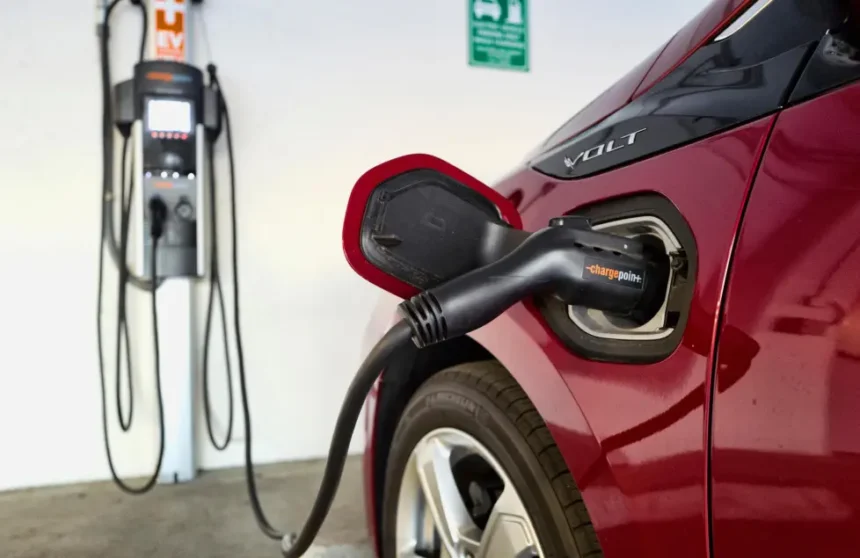
The greatest advantage of owning an electric vehicle is the ability to wake up with a full tank every morning. However, this requires a proper home setup. Before you buy the car, you must evaluate your home’s electrical capacity.
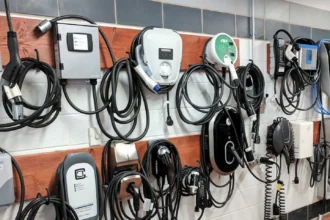
A standard Level 1 charger uses a basic 120V household outlet. This is often too slow for modern EVs, adding only about 3 to 5 miles of range per hour. Most owners opt for a Level 2 charger, which requires a 240V circuit, similar to what a clothes dryer uses. In 2025, the average cost for a professional Level 2 installation ranges from $800 to $2,500, depending on the distance from your electrical panel to your garage.
Electrical Panel Capacity
If your home has an older 100 amp electrical panel, you may need a service upgrade to 200 amps to safely support a high power charger alongside other appliances like air conditioners and electric stoves. Some newer smart chargers can manage the load dynamically, allowing you to avoid a full panel upgrade by slowing the car’s charging rate when the house is using a lot of power.
Public Charging Ecosystems and Standards
The way you charge on the road is currently in a state of transition. In North America, the industry has largely converged on the North American Charging Standard (NACS), pioneered by Tesla. Major manufacturers like Ford, GM, Rivian, and Hyundai have now integrated NACS ports or provide adapters for the Supercharger network.
Before purchasing, check the charging port on the vehicle. If it uses the older Combined Charging System (CCS), ensure that an adapter is available and that the vehicle’s software is compatible with NACS pedestals. In Europe and other regions, the Mennekes (Type 2) and CCS2 standards remain the dominant formats. Use apps like PlugShare or ABetterRoutePlanner to see the density of high speed chargers along your frequent travel corridors.
Charging Speeds Explained
Not all fast charging is equal. A car might be advertised with a 300 mile range, but its DC fast charging speed determines how long you spend at a rest stop. Budget models might peak at 50 kW, which could take an hour to charge. Premium models like the Porsche Taycan or Hyundai Ioniq 6 can accept over 230 kW, allowing a 10 percent to 80 percent charge in under 20 minutes.
Insurance Dynamics and Premium Factors
Insurance for electric vehicles typically carries a premium compared to internal combustion vehicles. Research from late 2025 suggests that EV insurance can be approximately 23 percent more expensive. This is primarily due to the high cost of specialized components and the need for certified repair technicians.
Modern electric cars are also packed with Advanced Driver Assistance Systems (ADAS). While these features improve safety, they utilize expensive sensors and cameras located in vulnerable areas like bumpers and windshields. Even a minor fender bender can result in a high repair bill because these sensors require precise recalibration.
Ways to Lower Insurance Costs
- Look for insurers that offer “green vehicle” discounts.
- Opt for a model with a high safety rating from the IIHS or Euro NCAP.
- Consider usage based insurance (UBI) if you have low annual mileage.
- Inquire if the battery is covered for replacement in the event of a non collision electrical failure.
Resale Value and Long Term Depreciation
Depreciation is a significant factor in the total cost of ownership. Historically, electric vehicles depreciated faster than gasoline cars due to rapid advancements in battery technology making older models feel obsolete. However, as the market matures in 2026, resale values for popular models like the Tesla Model Y and the Ford F-150 Lightning are beginning to stabilize.
When evaluating a car’s future value, consider the software support. A vehicle that receives regular Over The Air (OTA) updates will stay modern longer than one with a static infotainment system. Furthermore, brands with a robust certified pre owned (CPO) program tend to have better resale support.
Performance and Range in Reality
The range number on the window sticker is often an estimate based on ideal conditions. In the real world, several factors can drastically reduce your mileage. Cold weather is the biggest culprit. In sub freezing temperatures, an electric vehicle can lose 20 percent to 40 percent of its range because the battery must be heated and the cabin requires energy intensive electric resistance heating.
If you live in a cold climate, ensure the vehicle you are checking has a heat pump. A heat pump is much more efficient than traditional heaters and can save significant range during winter months. Additionally, consider how wheel size affects efficiency. Larger, heavier wheels might look better but can reduce total range by 5 percent to 10 percent compared to smaller, aerodynamic wheels.
Efficiency Metrics (kWh per 100 miles)
Instead of looking at Miles Per Gallon, look at kilowatt hours used per 100 miles. A lower number indicates a more efficient vehicle. For example, a highly efficient sedan might use 25 kWh/100 miles, while a large electric SUV might use 45 kWh/100 miles. This metric directly impacts your monthly electricity bill.
Software, Connectivity, and Cybersecurity
Modern electric vehicles are essentially computers on wheels. This means the software experience is just as important as the mechanical one. During your inspection, spend time with the infotainment system. Is it responsive? Does it support wireless Apple CarPlay or Android Auto?
More importantly, check the manufacturer’s history with cybersecurity. As vehicles become more connected, they become potential targets for digital threats. Ensure the automaker has a clear policy on data privacy and provides regular security patches via OTA updates. Some 2026 models are now introducing biometrics for vehicle access, which adds another layer of security and convenience.
Physical Inspection and Test Drive Checklist
When you finally get behind the wheel for a test drive, the experience will be remarkably quiet. This silence allows you to hear mechanical issues that might be masked by an engine’s roar in a traditional car.
What to Listen and Feel For
- Suspension Creaks: Because EVs are heavy due to the battery, the suspension components are under significant stress. Listen for groans or clicks when going over bumps.
- Regenerative Braking: Most EVs allow for “one pedal driving,” where the car slows down significantly when you lift off the accelerator. Ensure this feels smooth and adjustable.
- Instant Torque: Electric motors provide 100 percent of their torque instantly. Ensure the power delivery is linear and doesn’t cause any vibration in the steering wheel.
- Cabin Noise: At highway speeds, listen for wind whistles or tire hum. High quality EVs use acoustic glass and specialized tires with foam inserts to keep the cabin serene.
Future Proofing: Is 2026 the Right Year to Buy?
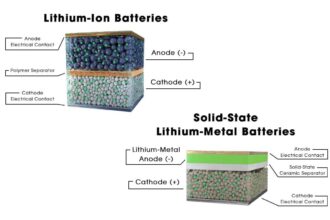
As we move into 2026, several next generation technologies are on the horizon. Solid state batteries are currently in the pilot production phase with companies like Toyota and Samsung SDI. While these won’t be in mass market cars for another few years, their development suggests that the current generation of lithium ion cars is reaching its peak refinement.
The introduction of Vehicle to Grid (V2G) technology is another factor to consider. Some new 2026 models allow you to use your car’s battery to power your home during a blackout or sell energy back to the grid during peak hours. If you are interested in home energy independence, checking for V2G or V2L (Vehicle to Load) capability is essential.
Summary of the Pre Purchase Checklist
To ensure a successful transition to electric driving, keep this summarized list of checks in mind during your search.
| Category | Essential Checkpoints |
| Financial | Federal Tax Credit, State Rebates, 2026 Weight Penalties |
| Battery | Chemistry (LFP vs NMC), State of Health, Warranty Terms |
| Charging | Home Panel Capacity, NACS vs CCS, Max DC Fast Charge Speed |
| Insurance | ADAS Repair Costs, Battery Coverage, Green Discounts |
| Performance | Heat Pump Inclusion, Real World Winter Range, Efficiency (kWh/100mi) |
| Software | OTA Update History, Cybersecurity Features, Navigation with Charging Stops |
Conclusion and Final Thoughts
Buying an electric vehicle in late 2025 or 2026 is an exciting step toward a more sustainable and technologically advanced lifestyle. By performing due diligence on battery health, charging infrastructure, and total cost of ownership, you can avoid common pitfalls and enjoy the many benefits of electric mobility. The market is moving fast, and staying informed is your best defense against buyer’s remorse.